Medspa ad costs keep climbing while conversion rates fall, but 81% of patients already research treatments online before ever contacting a provider. YouTube marketing for medspas turns that research phase into a lead source by publishing the patient education content people are already searching for: treatment explainers, honest recovery timelines, and myth-busting videos that build trust before anyone books. Unlike a paid campaign, the videos keep working after the upload date. This post breaks down why the model works, what to actually publish, and how to start without hiring a video team.
You're paying $120 to $300 for a single injectable lead on Google right now, and that's before the lead no-shows or ghosts your coordinator. YouTube marketing for medspas is how a growing number of practices are sidestepping that math entirely, not by abandoning paid ads, but by capturing the patients who were never going to click one in the first place: the ones quietly Googling "how long does filler last" three weeks before they're ready to book anything.
That research phase is where most medspas are invisible. It's also where trust actually gets built. Here's how patient education video content on YouTube fills that gap, and what it takes to run it without adding a video editor to payroll.
Why Medspa Ad Costs Keep Climbing (And Why That's Not the Real Problem)
Medspa Google Ads now run $120 to $300 per injectable lead once you account for ad spend, landing pages, and follow-up staff time, with surgical procedures pushing past $500. The real problem isn't the price. It's that the moment you stop paying, the leads stop coming.
Every medspa owner already feels this. Cost-per-lead benchmarks for aesthetic practices put non-surgical injectable acquisition costs well into the hundreds once you factor in the full funnel, not just the click. Meta isn't much of an escape hatch either. Practice-level data from med spas across the country shows cost per lead running $15-30 on Meta and $100+ on Google, with only a fraction of those leads actually converting to a kept appointment.
None of that is a reason to pull your ad budget tomorrow. It's a reason to stop treating paid ads as your only lead source. Ads rent attention. The moment the invoice stops, so does the traffic. Content you publish keeps showing up in search long after you've stopped thinking about it, and that's the entire case for building a second channel next to your paid spend instead of fighting the same auction every other medspa in your city is bidding on.
What Patients Actually Do Before They Book a Consultation
81% of aesthetic patients research procedures online before ever contacting a provider, and nearly all of them start with Google or YouTube, not your consultation form. By the time someone calls your front desk, they've already formed opinions about the treatment, the recovery, and often the price.
Industry data on aesthetic patient behavior puts that research figure at 81%, and older clinical surveys found it even higher: one study of aesthetic consultation patients found 95% had used the internet to gather information beforehand, and it was the first thing two-thirds of them did.
Here's the part most medspas miss. That research doesn't happen on your website. It happens on Instagram Reels, TikTok, and increasingly YouTube, where influencers describe procedures in 30 seconds with none of the context a licensed provider would give. Reporting on the modern aesthetic consultation describes today's patient as already "social media-educated" by the time they sit down with you, often shaped by content that skipped the swelling, the downtime, and the follow-up sessions.
That's not a reason to panic about influencers. It's an opening. Practices publishing transparent, education-forward video content aren't just building an audience, they're getting in front of the exact moment a patient's expectations are forming, before a competitor's misleading Reel does it for you.
The Content That Builds Trust Before the First Appointment
Patient education video isn't a highlight reel. It's the content that answers what a nervous, curious person actually types into a search bar. Content performance data across medspa blogs and video confirms treatment education and question-based content consistently outperforms promotional posts, because it mirrors how people actually phrase their questions.
The formats that do the heaviest lifting for a medspa channel:
- Treatment explainers: what Botox actually does to a muscle, how filler differs from a biostimulator, in plain language, no jargon left unexplained.
- Honest recovery timelines: day-by-day swelling, bruising, and downtime. This is the video most influencers skip, and it's the one that makes you look like the trustworthy option by comparison.
- Myth-busting: "will filler make me look fake," "does Botox hurt," the exact fears patients bring into a consult but rarely say out loud.
- What-to-expect walkthroughs: the actual appointment, from intake to numbing to the procedure itself, so the consult isn't the first time a patient sees your space.
Every one of these does double duty. It ranks for a specific search, and it pre-answers the objections your coordinator would otherwise handle live, on the phone, for free.
Why YouTube Specifically (Not Just Instagram or TikTok)
YouTube is the second-largest search engine after Google, and it's built for long-form authority content that keeps ranking for months. Instagram Reels and TikTok reward volume and virality, but a video posted there six months ago is buried. A YouTube video answering "how long does Botox last" can still be pulling in views and clicks a year later.
This is the framing most medspas get backwards. They treat YouTube as another content platform to feed alongside Instagram and TikTok, on the same schedule, with the same short-form clips. But platform-specific video performance data for medspas shows YouTube serving a different job in the patient journey: it's where people go for the long-form educational authority a 15-second clip can't deliver.
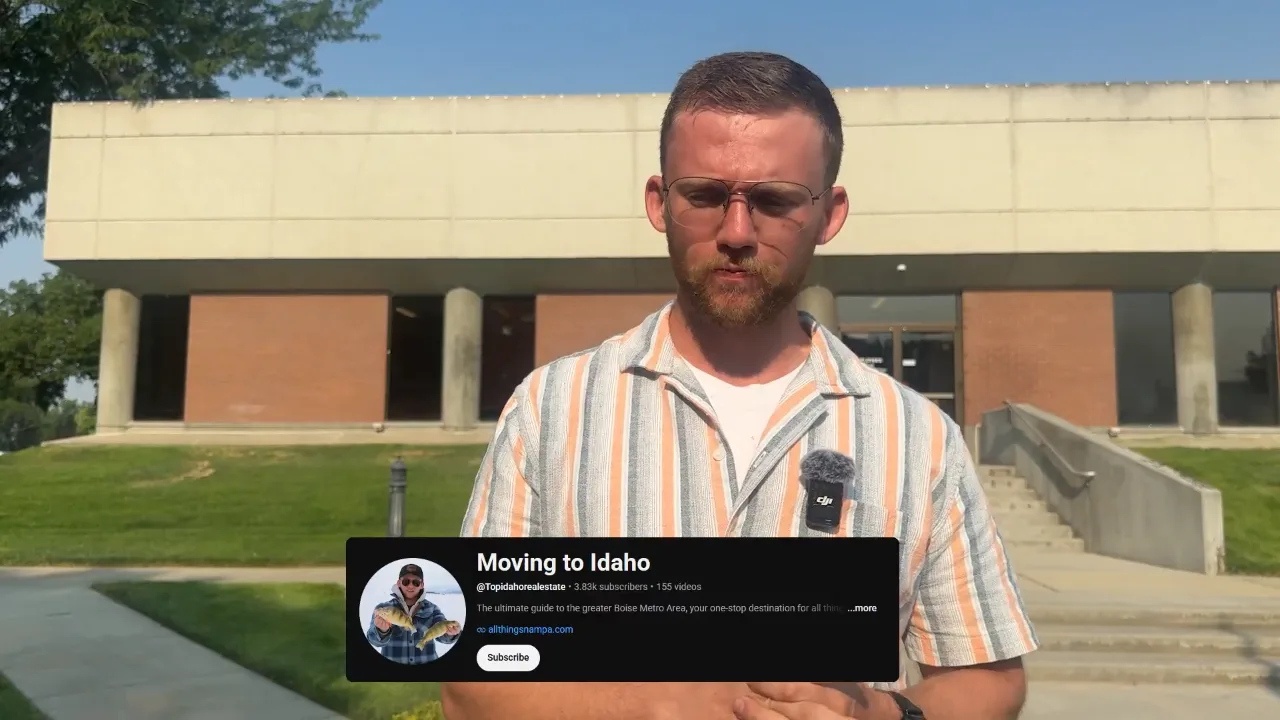
We saw this play out directly with one of our clients, Isaac Crace, who originally came to Syntak for editing only. His videos were averaging 500-600 views before we started handling his metadata and SEO alongside the edit. One video hit 19,000 views after that change, roughly 58 times his usual number, from the same raw footage, published on the same channel. The difference wasn't better content. It was making that content findable.
That's the mechanic your medspa channel needs to exploit. Instagram and TikTok are where you get discovered. YouTube is where you get searched for.
What Happens When Content Outlasts the Ad Budget
The clearest argument for patient education content isn't a view count. It's what happens after you stop actively promoting it. One video from a Syntak client is still generating inbound leads six months after it was published, with zero additional spend behind it. Try getting that from a Google Ads campaign the month after you pause it.
This is where the real estate parallel is instructive, even for a medspa. One of our real estate clients landed a $1.6 million listing from a video with only around 600 views. Six hundred. Not sixty thousand. The lesson translates directly to aesthetics: the metric that matters isn't views, it's whether the right person, searching with real intent, finds your video at the moment they're deciding who to trust with their face.
A patient searching "botox recovery timeline" at 11pm three weeks before she's ready to book isn't a vanity metric. She's a future consultation, and she found you for free.
How to Actually Start (Without Hiring a Video Team)
You don't need a production team, a script writer, or editing software to start a medspa YouTube channel. You need a phone, a quiet room, and 10-15 minutes of you or your injector answering the questions patients already ask in consultations. Everything after that, editing, thumbnails, titles, and SEO, can be handled for you.
The barrier isn't camera confidence. Most medspa owners and injectors talk through procedures with patients all day. It's the technical layer after recording, editing, writing a title that actually ranks, designing a thumbnail people click, that eats the time most practices don't have.
That's the gap Syntak fills. You record on your phone between appointments and drop the raw footage into a shared folder. We handle the edit, the thumbnail, the title, and the SEO metadata, and you get a polished first draft back in 1-2 business days. No production crew, no scheduling a shoot, no learning Premiere Pro.
If you're weighing this against hiring a freelancer or handling it in-house, our breakdown of video editing options for growing businesses walks through where each approach actually breaks down. For most medspas starting out, the Essential plan covers exactly this: unlimited video requests, worked one at a time, with SEO and thumbnails included at a flat monthly rate.
Common Mistakes Medspas Make on YouTube
Most medspa channels don't fail because the idea is wrong. They fail because of a handful of avoidable mistakes.
- Posting inconsistently, then quitting. A channel with three videos and a four-month gap looks abandoned to both patients and YouTube's algorithm.
- Generic titles. "Botox Video" doesn't rank. "How Long Does Botox Last? What to Actually Expect" does, because it matches the real search query.
- Skipping SEO metadata entirely. A great video with no keyword-optimized title, description, or tags is invisible, no matter how good the editing is.
- No clear next step. Every video needs a specific call to action, book a consult, visit a treatment page, not just a link to your homepage.
- Compliance blind spots. If a patient testimonial involved a free or discounted treatment, FTC disclosure rules for medical marketing require that connection to be stated clearly in the video, not buried in a description.
Every one of these is fixable without a bigger budget. They just require someone paying attention to the channel as a whole, not just the next upload.
The Bottom Line
Paid ads capture patients who are ready to book today. Patient education video captures everyone else, the much larger group still researching, comparing, and forming trust weeks before they'll ever fill out a form. YouTube is where that research already happens, and it's the one channel where a video you publish this month can still be booking consultations a year from now.
Three things worth taking from this: rising ad costs aren't a reason to panic, they're a reason to build a second channel. The content that converts isn't promotional, it's the honest, specific answers patients are already searching for. And starting doesn't require a production team, just a phone and a plan.
If you're ready to turn your phone camera into a lead source, see the Essential plan and get your first video back in 1-2 days. Not sure where to start? Book a call and we'll map out your first few videos together.
How long before YouTube videos start generating consultations for a medspa?
Most medspas see early traction within 60-90 days as videos begin ranking for specific search terms, though this varies by competition in your market. Unlike paid ads, results compound over time. A video published today can keep generating leads well past the six-month mark, with no additional spend required to keep it working.
Do I need professional camera equipment to start?
No. Most successful medspa education videos are recorded on a smartphone in a quiet room or exam room. What matters more than equipment is clear audio and answering real patient questions directly. Editing, color correction, and polish can be handled after the fact.
Is it legal to post patient testimonial videos?
Yes, with proper written consent from the patient. If the patient received a free or discounted treatment in exchange for the testimonial, FTC guidelines require that relationship to be clearly disclosed within the video itself, not just in the description. Always get consent in writing before publishing.
How often should a medspa post on YouTube?
Consistency matters more than volume. One well-optimized, keyword-targeted video every one to two weeks will outperform sporadic bursts of content followed by long gaps. YouTube's search ranking rewards channels that publish reliably over time.
Can a medspa really stop paid ads and rely on YouTube alone?
Most practices that succeed with YouTube marketing don't eliminate paid ads entirely, they reduce their reliance on them. Organic video content captures the large group of patients still researching and not yet ready to click a paid ad, while ads continue capturing patients with immediate, high-intent searches. Used together, the cost per booked consultation typically drops.

Subham Kanoo
Founder, Syntak Media
I started Syntak because I kept seeing the same problem. Business owners knew video could bring in leads, but most just didn't have the time, editing skills, or energy to actually compete on YouTube. So I built Syntak to fix that. We take raw, unedited footage and turn it into a lead generation engine that works around the clock, so you're out closing deals instead of stuck editing clips. Today, Syntak is the go to editing partner for real estate agents and service professionals who want agency level video without the agency price tag.
Expertise