Case Study:
Barrett Plastic Surgery
How we helped him reach more clients for his medspa, seeing the highest channel growth and engagement to date.
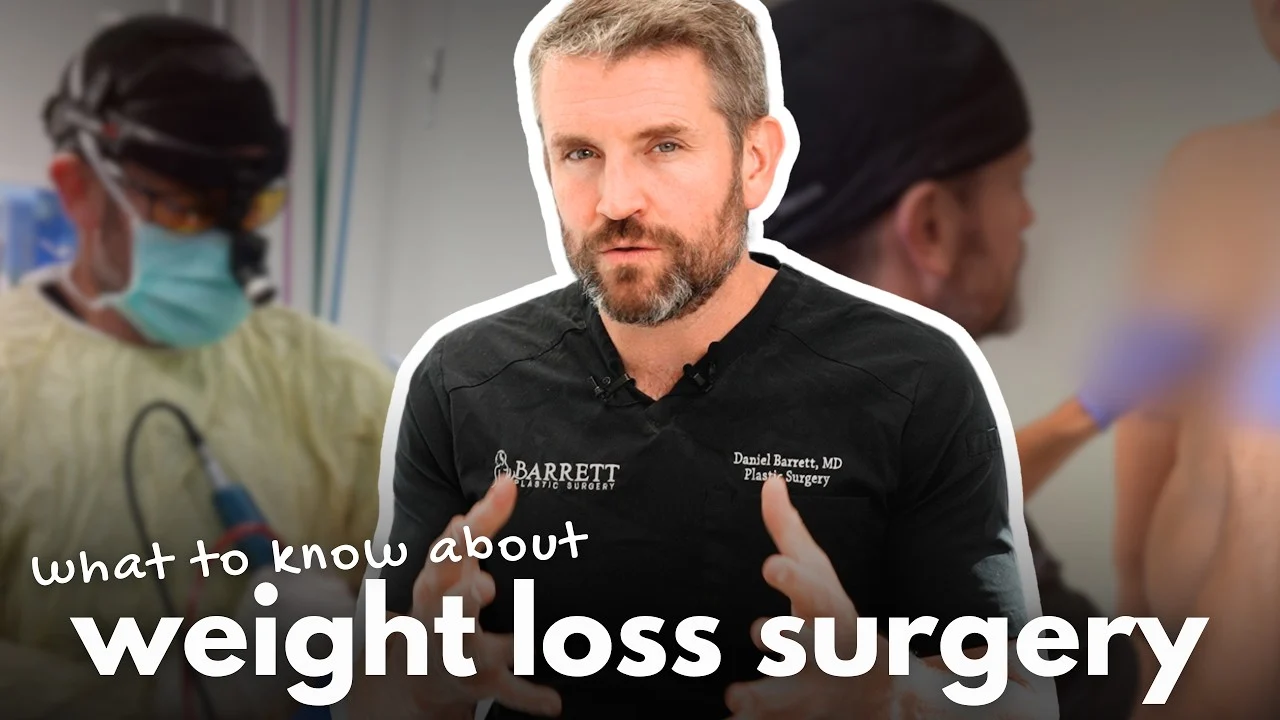
How Dr. Barrett's Plastic Surgeon YouTube Channel Added 100K Subscribers in 8 Months
Dr. Daniel Barrett is a Board Certified plastic surgeon in Beverly Hills. Syntak Media helped him add about 100K YouTube subscribers in 8 months. He posts procedure videos and client journeys that show how he works, so viewers trust him before they book. The channel now also brings clients to his med spa. Here is how a plastic surgeon YouTube channel earns trust at scale.
A plastic surgeon YouTube channel does one job better than any ad. It lets a stranger watch you explain your work before they ever book a consult. Dr. Daniel Barrett's channel is a clear example.
He is a Board Certified plastic surgeon in Beverly Hills, California. In the last eight months, his channel added about 100K subscribers. His content also sends clients to his med spa.
That is the point of YouTube for a practice. Subscribers are nice. Patients who already trust you are the goal. Below is how his channel works and what you can copy, whether you run a surgical practice, a med spa or both.
Who Is Dr. Barrett
His approach is holistic. He has developed his own scar management and closure techniques to reduce the appearance of scars. He has performed thousands of surgeries, including tummy tucks, mommy makeovers, breast augmentation and reduction, liposuction, blepharoplasty, rhinoplasty, facelifts, gynecomastia surgery, fat transfer and scar revision.
You can see his practice on his website, and his Yelp page highlights five-star reviews from patients.
Dr. Barrett isn't a full-time creator. He runs a practice. He knows his craft, but he doesn't have time to edit video, design thumbnails or write YouTube titles. That is the gap we fill. He records. We handle the rest.
Why a Plastic Surgeon YouTube Channel Builds Trust Before the Consult
Choosing a surgeon is not an impulse buy. A survey study from Beth Israel Deaconess asked adults to rank 36 factors. A web search was the most common first step, at 32.2%. Experience with the procedure, board certification and years in practice ranked at the top.
The same study ranked the number of social media posts among the least important factors. Volume didn't win the patient. Substance did. That is the case for a few deep videos over a feed of quick posts.
| Finding | What it means for your channel |
|---|---|
| A web search was the most common first step for choosing a surgeon (32.2%) | Be where patients are searching, and YouTube is a search engine. |
| Experience and board certification ranked highest among 36 factors | Show your experience and credentials on camera, in plain words. |
| 46% of patients in one clinic study used social media, and 40% of them were strongly influenced when choosing a doctor | Your content shapes the decision before the consult. |
The 46% and 40% figures come from a study of 500 consecutive patients surveyed before their consultation. A separate PMC study on information sources found that most patients look for outside information from the internet, social media or friends before meeting a surgeon.
Why video beats a photo grid
A photo shows an outcome. A video shows a person. Patients can't judge a surgeon's judgment, calm or communication from a still image.
On YouTube they get a full video of Dr. Barrett explaining a procedure in his own words. By the time they book, the first consult already feels familiar. That is what trust looks like in practice.
What patients are really asking
Behind every search is a worry. Will this look natural? How long will I be out of work? Can I trust this person with my body? A patient rarely types those fears into a search bar. They type the procedure name and the word recovery.
A good video answers the typed question and the unspoken one. The doctor explains the steps, then shows the calm, careful way he works. That second part is what no brochure can deliver.
Procedure Videos and Client Journeys: What Actually Works
Dr. Barrett's channel runs on two kinds of videos. Both make people curious about his process, and both build trust in him as a doctor.
Procedure videos
These answer the questions patients ask in the consult room. We build them around what people actually search:
- What the procedure involves: the steps, in plain language.
- Who it suits: and who it doesn't.
- Recovery and downtime: what a patient should expect.
- What to ask: questions to bring to any consult.
A viewer who learns something from the video is already halfway to trusting the person who made it.
Client journeys
These follow a patient through the process, from the first conversation to recovery, with their consent. Viewers see the team, the setting and the steps. The unknown gets smaller, and so does the fear that comes with it.
Curiosity earns the click. Expertise earns the trust. Client journeys do both.
Keeping it ethical
Medical content carries a higher bar. A NESPS survey abstract found that before-and-after results were the top factor social media users cited when picking a surgeon. That makes results content powerful, and it makes honesty more important.
The same Springer study found that 85% of the surgeons surveyed thought social media information can lead to unrealistic expectations. So we keep the rules simple:
- No guaranteed results and no pressure.
- Patient consent for every journey video.
- Plain statements that outcomes vary from patient to patient.
- The doctor speaks in his own voice, without hype.
Check your state medical board's advertising rules before you publish. We edit and package the content. You stay in control of what is said.
Plastic Surgeon YouTube Results: 100K Subscribers in 8 Months
| Metric | Result |
|---|---|
| Subscribers added | About 100K |
| Timeframe | Last 8 months |
| Content mix | Procedure videos and client journeys |
| Goal of the content | Trust in him as a doctor |
| Business impact | Clients arriving for his med spa |
Look at what drove that growth. Consistent uploads. Videos that explain a process clearly. Thumbnails that earn the click, and titles that match what patients search. None of it depends on trends or luck.
The subscriber count is the visible number. The number that matters is how many viewers become patients and clients. A larger, trusting audience raises that number over time.
Why intent matters more than the 100K
A subscriber count can flatter you. Intent is harder to fake. Someone who watches a full procedure video is thinking about the procedure. Someone who watches a client journey is picturing themselves in it.
That is why this channel works as a lead engine for a practice and not as a vanity project. The audience came for a reason, and the reason lines up with what Dr. Barrett sells.
How Plastic Surgeon YouTube Content Fills the Med Spa
Not every viewer is ready for surgery. Some are curious. Some are comparing options. Some want a smaller first step.
A med spa visit is an easier yes, and the trust is already there. The viewer has watched him explain his work for months. They don't walk in cold.
Standing out among thousands of med spas
The med spa market is crowded. According to Aesthetic Record, citing AmSpa, the number of U.S. med spas grew from 8,899 in 2022 to 10,488 in 2023, with about 13,000 expected by the end of 2026.
When there are that many options, patients pick the one they recognize. A face they have watched on YouTube beats an unknown name on a map. You can't buy that kind of familiarity with a one-week ad campaign.
What Doctors Can Copy From This Channel
You don't need Dr. Barrett's volume to start. You need a clear process and a steady schedule. Here is the short version:
- Start with consult questions. Every question a patient asks you in person is a video topic.
- Show the process. Use procedure videos to explain it and client journeys to show it.
- Record in batches. One session can cover several videos. Consistency beats perfect gear.
- Hand off the production. Editing, thumbnails and SEO are where busy doctors lose weeks.
- Track bookings, not subscribers. Count consult requests and new clients from YouTube.
What we handle for your practice
You record. We handle the rest:
- Topic ideation: subjects picked from what patients search.
- Scripting: a clear structure so viewers keep watching.
- Video editing: a polished first draft within 1 to 2 days of you dropping the raw files.
- Thumbnails: built to earn the click.
- SEO metadata: the titles and descriptions that tell YouTube which search each video answers.
- Channel management: one team keeping the whole channel consistent.
A solo freelancer can vanish next month. A large marketing firm can quote you $3,000+ a month in retainers. We built Syntak as the option in between.
Plans run on a flat monthly rate with no hidden fees and no long-term contracts. The Essential plan is $849 a month and covers final videos up to 20 minutes. The Creator plan is $1,799 a month, covers final videos up to 40 minutes and includes complete YouTube management. Pro is custom. Every plan includes unlimited revisions and a 14-day money-back guarantee. The pricing page has the full breakdown.
You can see more client results on our case studies page, or read related guides in the resources hub.
Get Started
Three things to take from Dr. Barrett's story. Patients research before they book, so show up where they search. Procedure videos and client journeys build trust faster than photos alone. And a channel that earns trust can fill a med spa as well as a surgical calendar.
If you run a practice and want that kind of pipeline, see the Essential plan to get started. If you'd rather talk through your practice first, book a call and we'll look at your channel with you.
FAQ
Who is Dr. Daniel Barrett?
Dr. Daniel Barrett is a Board Certified plastic surgeon in Beverly Hills, California, specializing in aesthetic and reconstructive surgery. He focuses on natural results with minimal downtime and has developed scar management and closure techniques. He also runs a med spa and a YouTube channel built around procedure videos and client journeys.
How did Dr. Barrett's plastic surgeon YouTube channel add 100K subscribers?
The channel added about 100K subscribers in 8 months by publishing procedure videos and client journeys that explain how he works. Syntak Media handled topic ideation, scripting, editing, thumbnails, SEO metadata and channel management. Dr. Barrett recorded the videos.
Do procedure videos bring patients to a plastic surgeon?
They build the trust that leads to a booking. Research on patient decision-making shows many patients search online first and weigh a surgeon's experience and board certification heavily. A procedure video lets a viewer see both before the first consult.
Can a surgeon's YouTube channel also bring clients to a med spa?
Yes. Dr. Barrett's channel now brings clients to his med spa because of his content. Viewers who trust a doctor on camera often start with a lower-commitment visit, and the channel keeps that trust growing between visits.
Is Syntak Media a good fit for doctors and clinics?
Yes, if you can talk about your work on camera and want patients to find you through YouTube search. You record the videos, and Syntak handles editing, thumbnails, SEO and channel management. Plans start with the Essential plan at $849 a month, with unlimited revisions and no long-term contracts.